The Credit Lockdown Strategy: How to Protect Your Identity, Wealth, and Legacy from Financial Sabotage
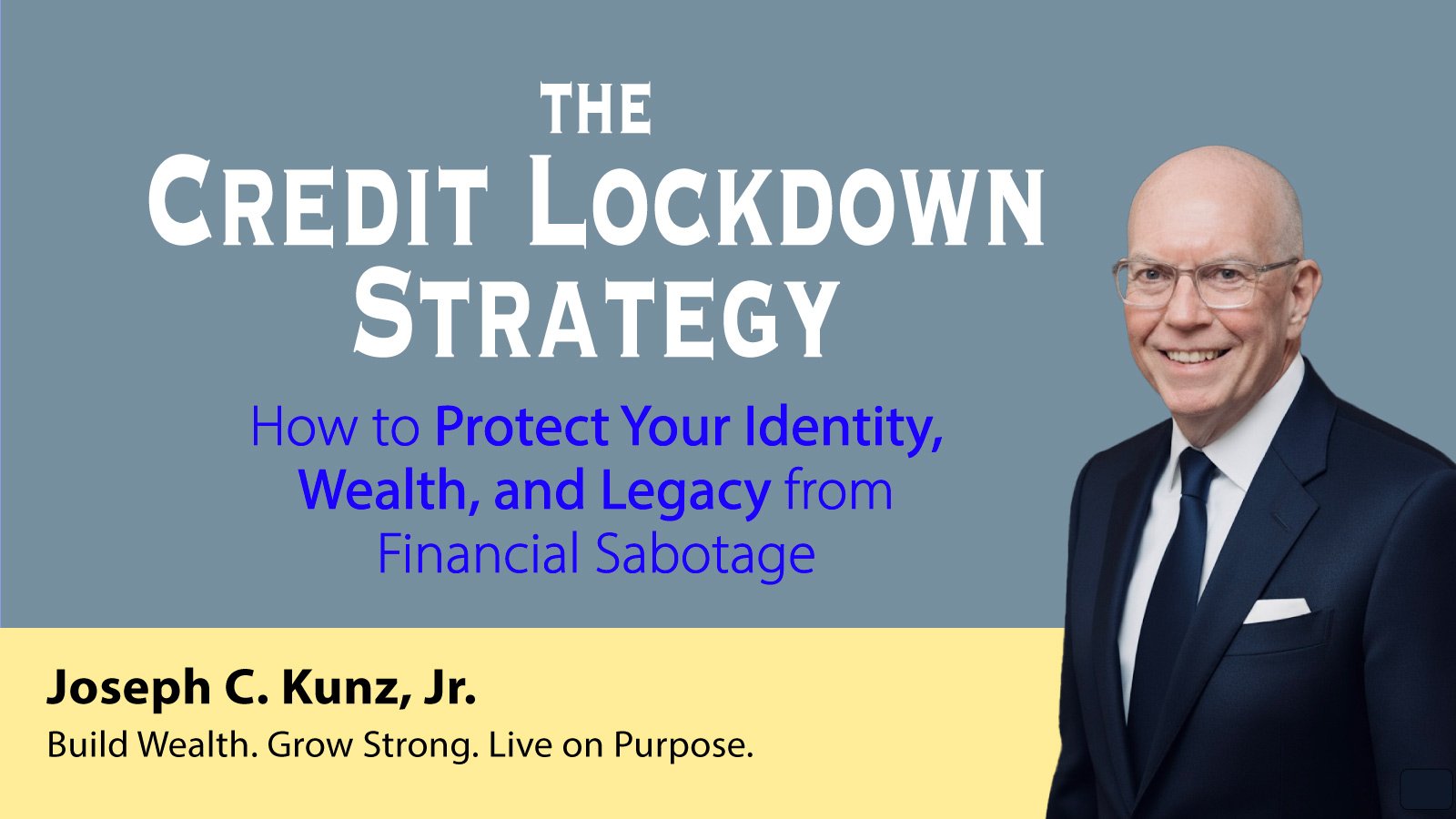
A tactical guide to locking down your financial life before cybercriminals or bad actors ruin what you’ve built. —Joseph C. Kunz, Jr.
Why Freezing Your Credit (Not Just Locking It) Is the Smartest Move Most People Never Make
By Joseph C. Kunz, Jr.
Synopsis
In a world of constant data breaches and silent identity theft, your credit file is the front door to your financial life—and for most people, it’s left wide open. In this tactical guide, Joseph C. Kunz, Jr. breaks down the real difference between fraud alerts, credit locks, and credit freezes, and makes the case for the one move that actually stops sabotage before it starts: freezing your credit. You’ll get a straightforward, step-by-step lockdown plan—including the often-missed fourth bureau (Innovis)—plus practical ways to temporarily lift a freeze when you legitimately need new credit. This isn’t fear. It’s stewardship: protecting your name, your wealth, and your family’s future so you can keep building without leaving your legacy exposed.
Success isn’t just about what you gain—it’s about what you refuse to lose. —JCK
I. Introduction
Your financial life is only as secure as your credit file—and for most people, that file is wide open. In an age where identity theft is rampant and data breaches are the norm, locking down your credit isn’t paranoia. It’s smart business. It’s risk management. And it’s one of the most practical ways to protect what you’ve spent years building.
You insure your car. You protect your home. You monitor your investments. But have you locked down your credit? If not, your identity remains exposed, and your legacy remains vulnerable. Let’s fix that.
II. The Core Problem
Most Americans assume their credit is safe as long as they haven’t noticed anything strange. But that’s not how theft works anymore. You don’t have to be wealthy to be a target—you just need to exist in the modern digital economy.
Every day, criminals attempt to open fraudulent credit accounts, apply for loans, and steal identities using nothing more than publicly available information. And most of the time, they succeed because our credit reports are wide open by default.
That’s not a system designed for your safety. That’s a system designed for lenders.
III. Know Your Tools
There are three main tools at your disposal: fraud alerts, credit locks, and credit freezes. They are not the same—and knowing the difference matters.
1. Fraud Alert
• What it is: A flag on your credit report that tells lenders to take extra steps to verify your identity.
• Pros: Free. Lasts for 1 year (can be renewed). Automatically applies to all three credit bureaus.
• Cons: It doesn’t block access to your credit file. It just asks lenders to double-check before approving new credit.
• Best for: People who want a light layer of protection without restricting credit access.
2. Credit Lock
• What it is: A feature offered by each credit bureau that restricts access to your credit file.
• Pros: Often straightforward to turn on/off via an app. More convenient than a freeze.
• Cons: Not regulated by federal law. Usually part of a paid subscription. May not offer the same level of legal protection.
• Best for: People who want convenience over maximum legal protection.
3. Credit Freeze
• What it is: A federally protected block that prevents anyone from accessing your credit file without your permission.
• Pros: Free. Strongest legal protection. No expiration date. Blocks new credit activity.
• Cons: You must freeze and unfreeze at each bureau separately.
• Best for: Anyone serious about protecting their credit, especially business owners, investors, and families.
IV. Strategy for Smart Adults Bureau
Everyone knows Equifax, Experian, and TransUnion. But there’s a fourth player you should freeze: Innovis.
• Why it matters: Innovis is smaller but still used by some lenders and credit services. It also feeds information to marketing and identity verification databases.
• How to freeze it: Visit innovis.com and complete the free security freeze process. It’s quick and just as important as the other three.
If you’re freezing your credit at the big three, don’t stop short. Cover all four.
V. Strategy for Smart Adults
Freezing your credit doesn't mean locking yourself out forever. One of the smartest features of a credit freeze is how easy it is to temporarily lift it when needed. Applying for a new credit card or loan? You can unfreeze your credit file for just 24 hours—or even for a specific creditor—through each bureau’s website or mobile app. It usually takes less than 10 minutes.
You stay in control the entire time, and your credit file re-freezes automatically afterward. This flexibility allows you to protect your identity without compromising access when you genuinely need it.
You don’t need to be wealthy to have something worth protecting. If you have a credit card, a mortgage, a portfolio, or a business, you’re already a target.
Here’s how to approach credit protection as part of your broader financial strategy:
• Freeze your credit at all four bureaus. This is the gold standard.
• Do the same for your spouse. Their identity is just as valuable.
• Consider freezing credit for your children and elderly parents. Thieves love soft targets.
• Review your free credit reports at AnnualCreditReport.com every few months.
This isn’t fear-based living. It’s simply taking control of what you’ve built.
VI. Are There Downsides?
Some critics argue that a credit freeze is inconvenient or unnecessary. Let’s look at the common objections—and why they often don’t hold up under scrutiny.
1. It’s a hassle to lift the freeze every time I apply for credit. Yes, it requires a few extra clicks. But unfreezing your credit takes less than 10 minutes and can be scheduled for a specific lender or timeframe. If you're not applying for credit often, this is a small price to pay for peace of mind.
2. I already monitor my credit. Isn’t that enough? Credit monitoring is reactive—it tells you after something happens. A freeze is proactive—it prevents it from happening in the first place. Use both, but don’t rely on monitoring alone.
3. I’m not rich, so no one would target me. Wrong. Thieves don’t care how much money you have. They care whether they can open accounts in your name. And if they can, you’re a target.
4. I use a credit lock instead—it’s easier. A credit lock is better than nothing, but it isn’t legally backed the way a credit freeze is. Locks are offered by private companies and can be tied to paid subscriptions. Freezes are protected by federal law—and free.
The Bottom Line: The arguments against freezing your credit are based on convenience, not logic. If you’ve built something worth protecting—your career, your business, your future—a credit freeze isn’t just smart. It’s necessary.
VII. Bonus: Extra Layers of Protection
Want to go beyond just freezing your credit? These simple steps will create a nearly impenetrable wall around your financial identity:
• Opt out of pre-screened credit offers at OptOutPrescreen.com.
• Use two-factor authentication (2FA) on every financial account.
• Monitor your credit activity using free tools like Credit Karma, Experian, or your credit card company.
• Shred all sensitive documents before tossing them in the trash. This includes mail with your name and address on it.
Security is never perfect. But you can make yourself a more challenging target than 99% of people out there.
VIII. Conclusion
You’ve worked too hard to let a scammer blow it all up with a few clicks. Your legacy deserves better than that.
Credit freezes aren’t complicated. They’re not extreme. They’re smart. And in this economy, they’re essential.
Protect your credit. Lock it down. And get back to doing what you do best—building, growing, and living with confidence.
Risk management isn’t fear—it’s wisdom in action. Protect what you’ve earned so you can focus on building what comes next. —JCK
Related Essays: For the Ambitious Individual Ready to Go Deeper
If this one challenged you, these will raise the bar.
1. The Dirty Truth About Income Streams
Uncover the misconceptions about multiple income streams—and what it really takes to make them work.
Reader Comment: This essay cut through the hype and gave me the straight truth about what actually works.
2. Why the First $100K Is Harder Than the Next Million
Discover why breaking the six-figure barrier is the toughest step in wealth-building—and how momentum makes everything after that easier.
Related Book: Freeze It Before They Steal It: Protect What You’ve Built Before It’s Gone
You worked decades to build a life worth protecting—your business, your savings, your name. But here’s the ugly truth: one cyber-punk kid or one data breach can burn through all of it while you’re sleeping. Most people don’t realize they’re one stolen identity away from watching their hard-earned legacy turned into a hacker’s payday.
Locking your credit isn’t enough. That’s like putting a “Please Don’t Steal” sign on your front door. Freezing it? That’s slamming the deadbolt and welding it shut. It’s the quiet, unsexy move that keeps predators out of your financial house—and keeps your legacy standing long after the headlines move on.
This isn’t paranoia. It’s stewardship. You’re not just protecting numbers—you’re guarding your family’s future, your reputation, your life’s work. Because when you’ve spent years building wealth with discipline and grit, the smartest thing you can do is defend it with the same fire you built it with.
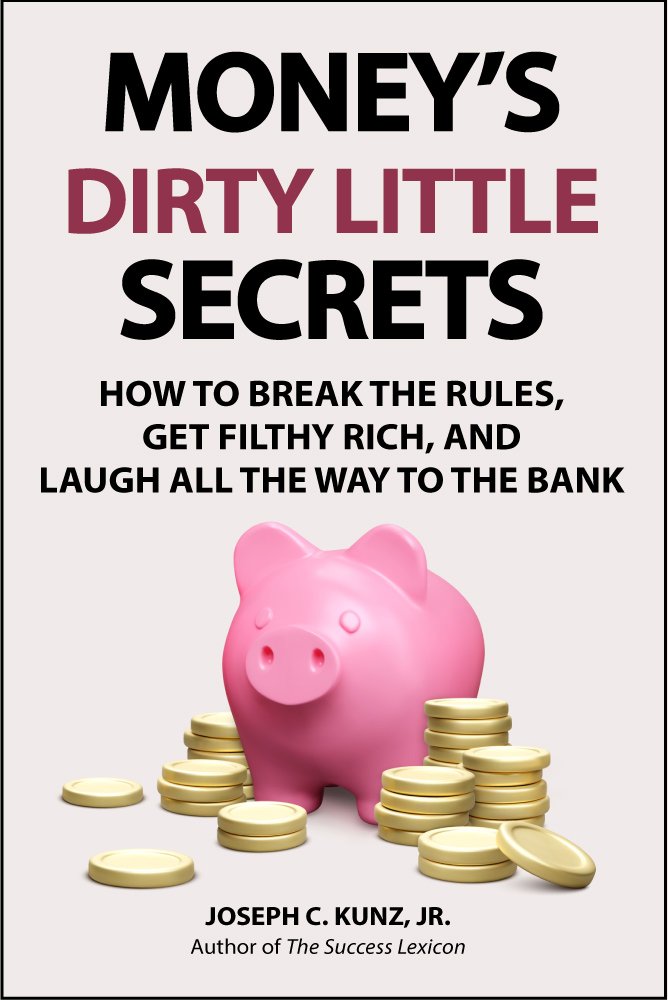
Learn how to fortify your finances with Money’s Dirty Little Secrets: How to Break the Rules, Get Filthy Rich, and Laugh All the Way to the Bank—the unapologetic playbook for people who refuse to let thieves, scammers, or bureaucrats rewrite their financial story.
Protecting your wealth isn’t paranoia—it’s respect for everything you’ve built and everyone who’s counting on you. —JCK